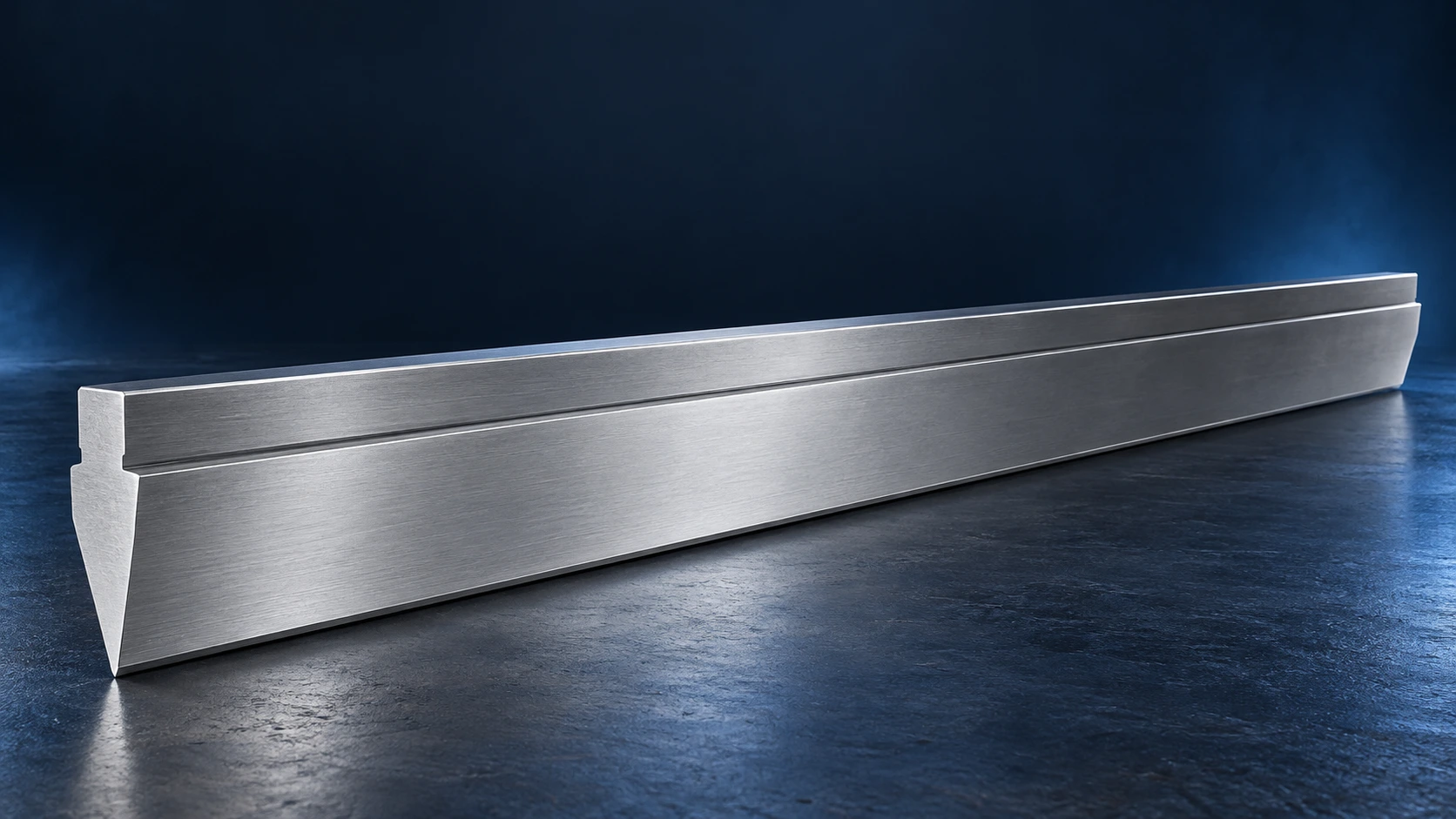
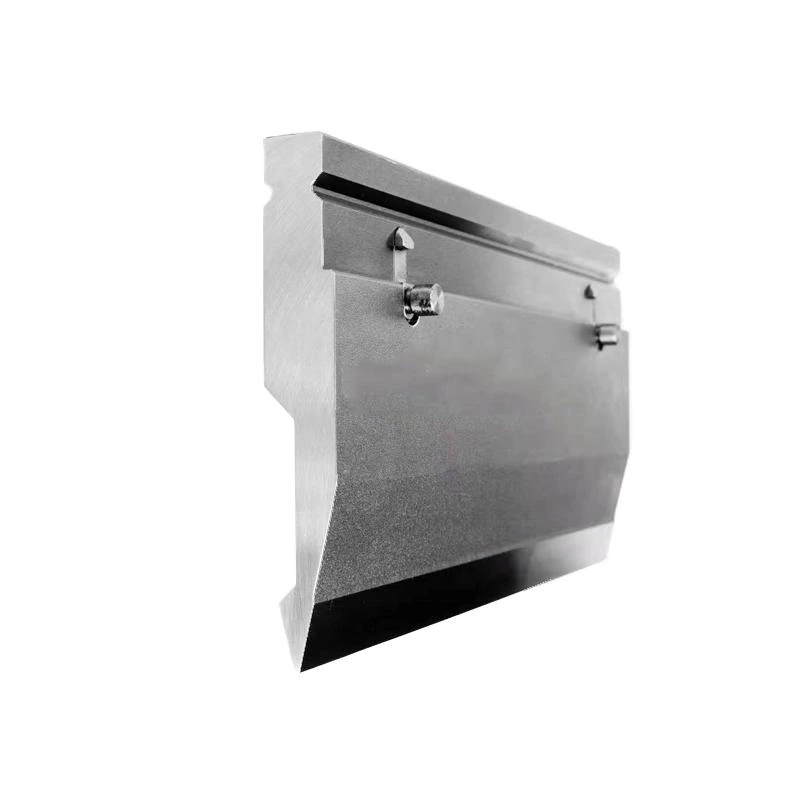
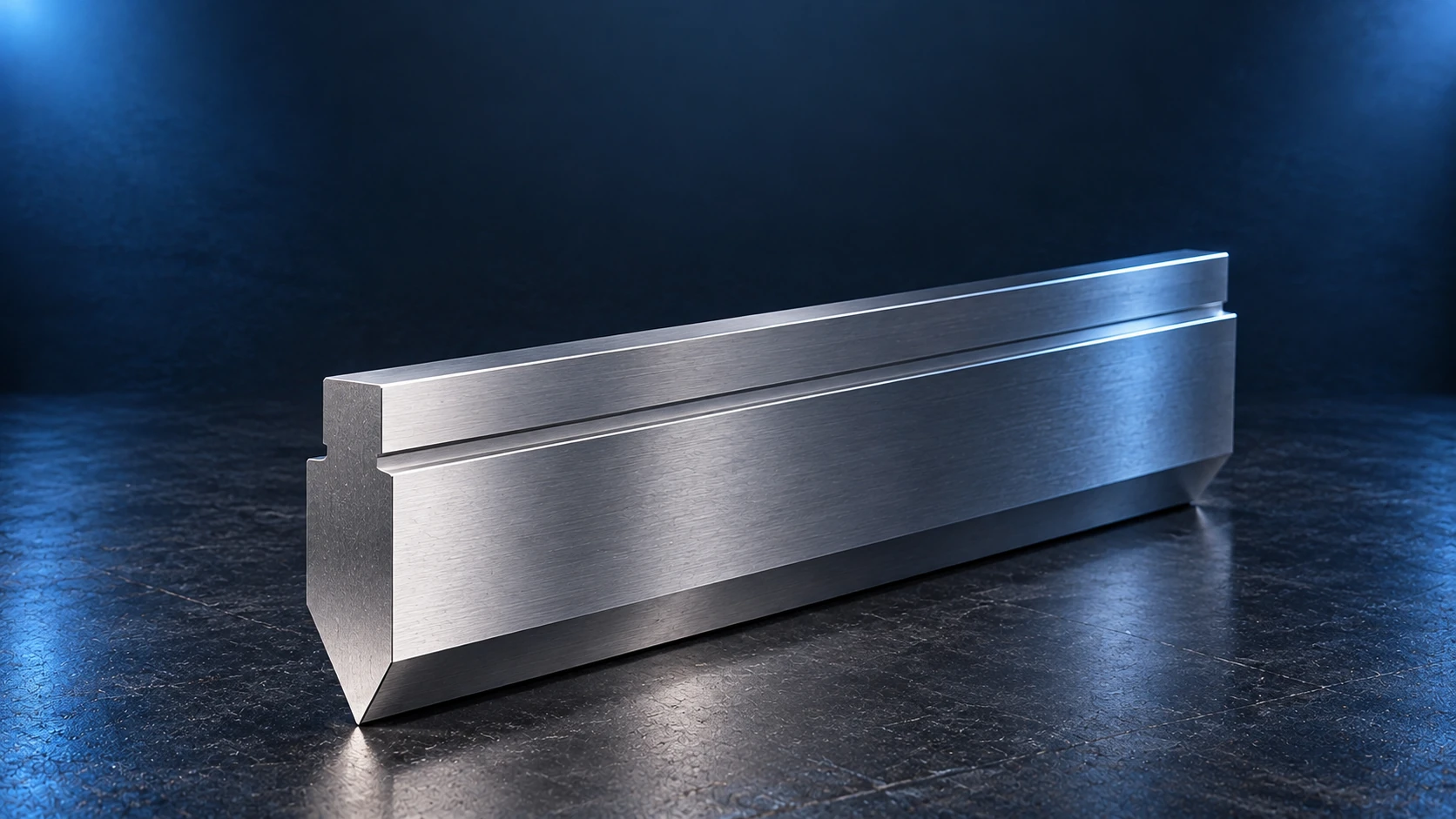
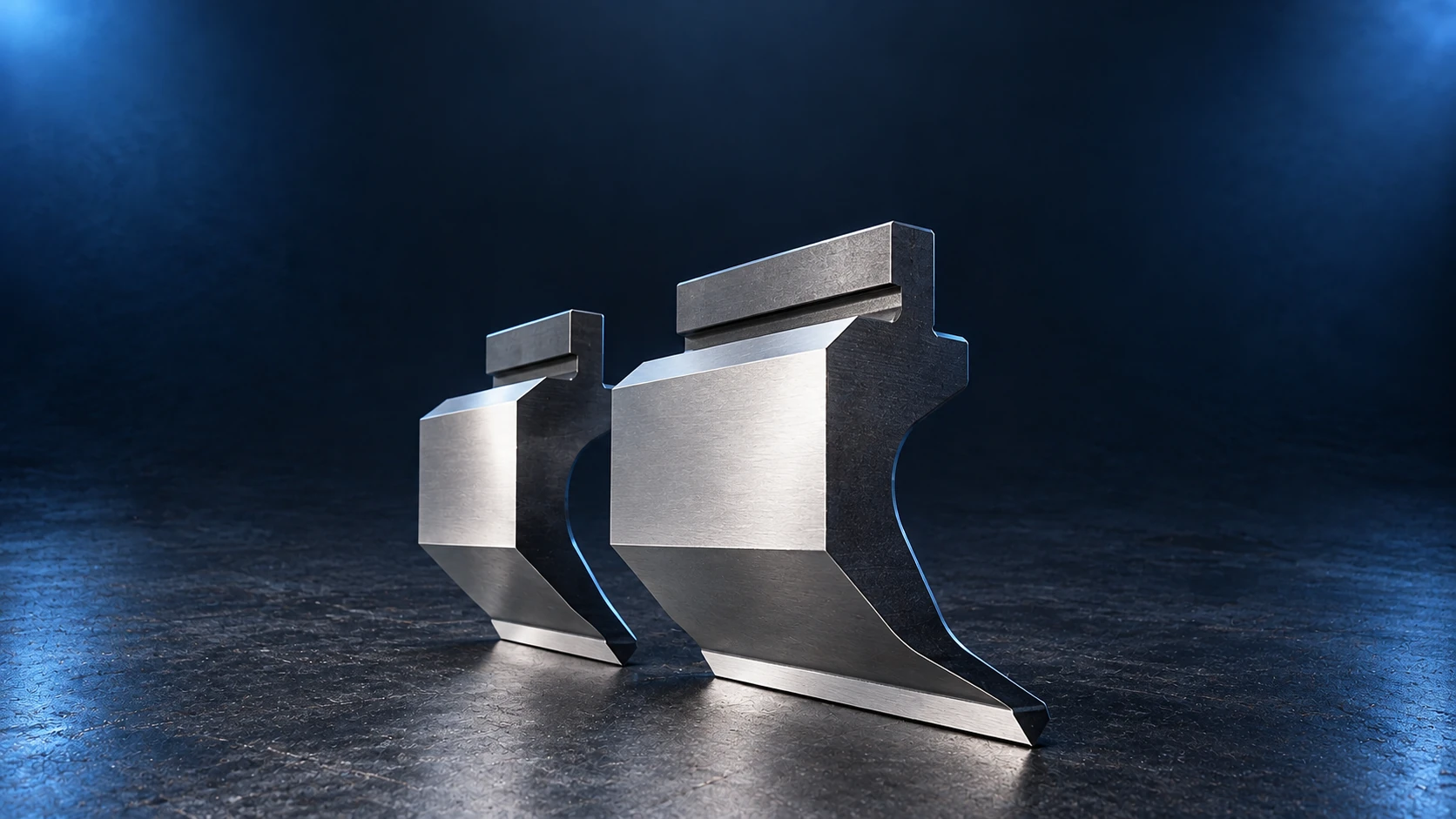
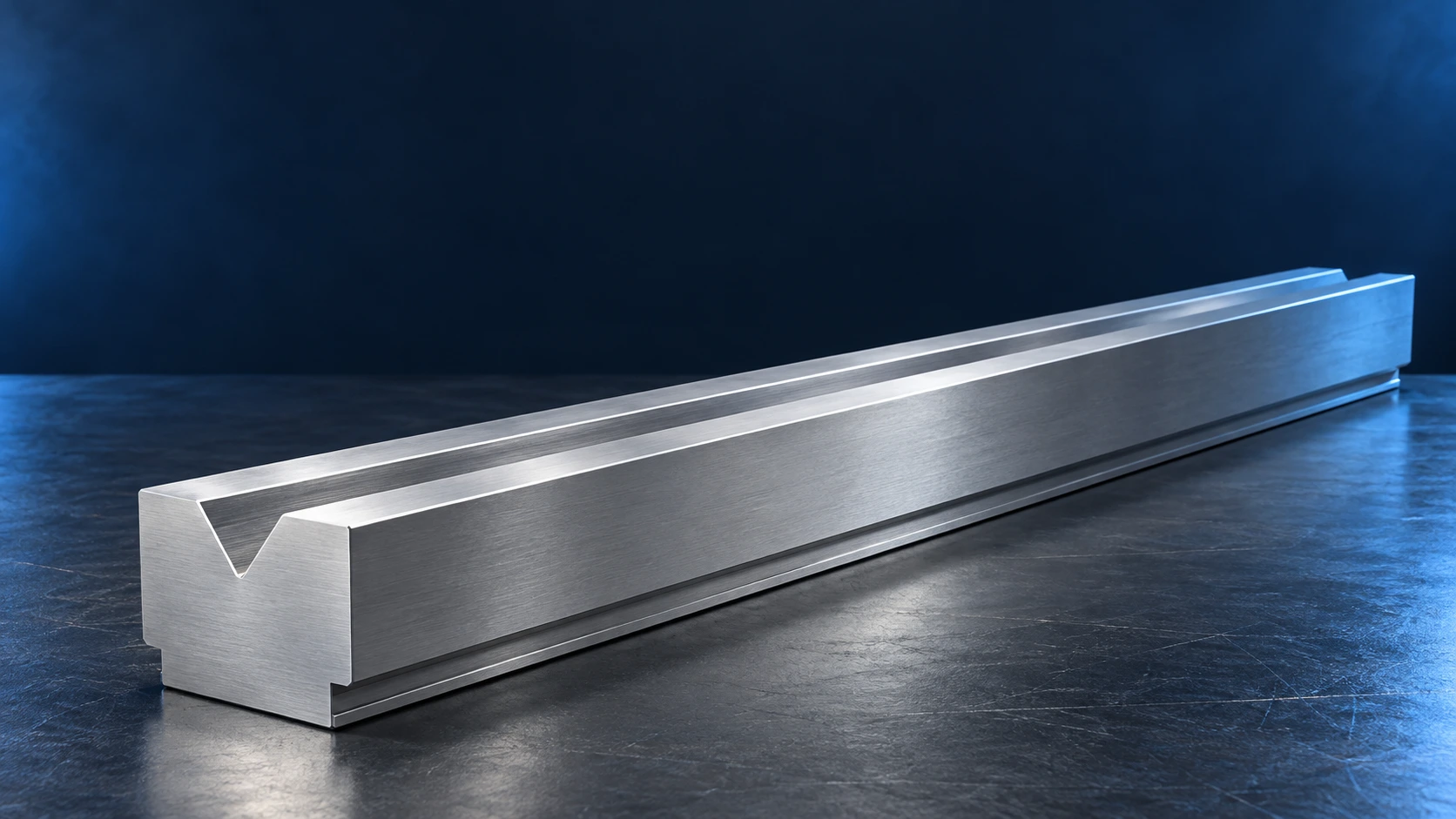
Acute-angle upper punches for sharp bends and hemming pre-bends. Select the tip angle and radius with a suitable lower die.
Upper punch
A narrow working angle provides clearance for acute bending. Tool angle is not the finished part angle; verify springback, stroke and load. Hemming needs a separate flattening operation.
Selection Requirements
Punch angle and tip radius
Working height and tang
Working length and sections
Key Features
Acute-angle working profile
Defined punch-tip radius
Continuous or sectional lengths
Precision & Tolerance
To approved drawing
Specify the controlled dimension, datum and inspection method on your drawing. The applicable tolerance is confirmed with your quotation.
Material and treatment are selected after reviewing the application, machine and approved drawing.
Dimensions & Fit
Made to your application and approved drawing. Share the following dimensions so we can confirm a suitable size, material and quotation.
Dimension reference, not to scale. Letters identify dimensions to include in your drawing; they do not define a standard size or manufacturing drawing.
Punch angle and tip radius
Specify the tool angle and tip radius separately from the finished part angle and radius.
Working height and tang
Dimension the load-bearing shoulder, tool height and complete clamping profile.
Working length and sections
Provide total bend length, segment lengths and any horn or end-clearance requirements.
Machine Compatibility
Match the punch tang and load-bearing shoulders to the holder. Check the complete bend sequence for interference.
Tolerance & Inspection
Check tip profile, working height and segment alignment.
Confirm permissible load for the actual punch and lower-die combination.